Across Asia, kei trucks haul crops, nets, tools and firewood. In the US they've found work on farms, campuses, golf courses and job sites, and with homeowners who want a pickup bed without a full-size pickup.
02 / Where they work
Anywhere a big truck won't fit.
Gardens and grounds
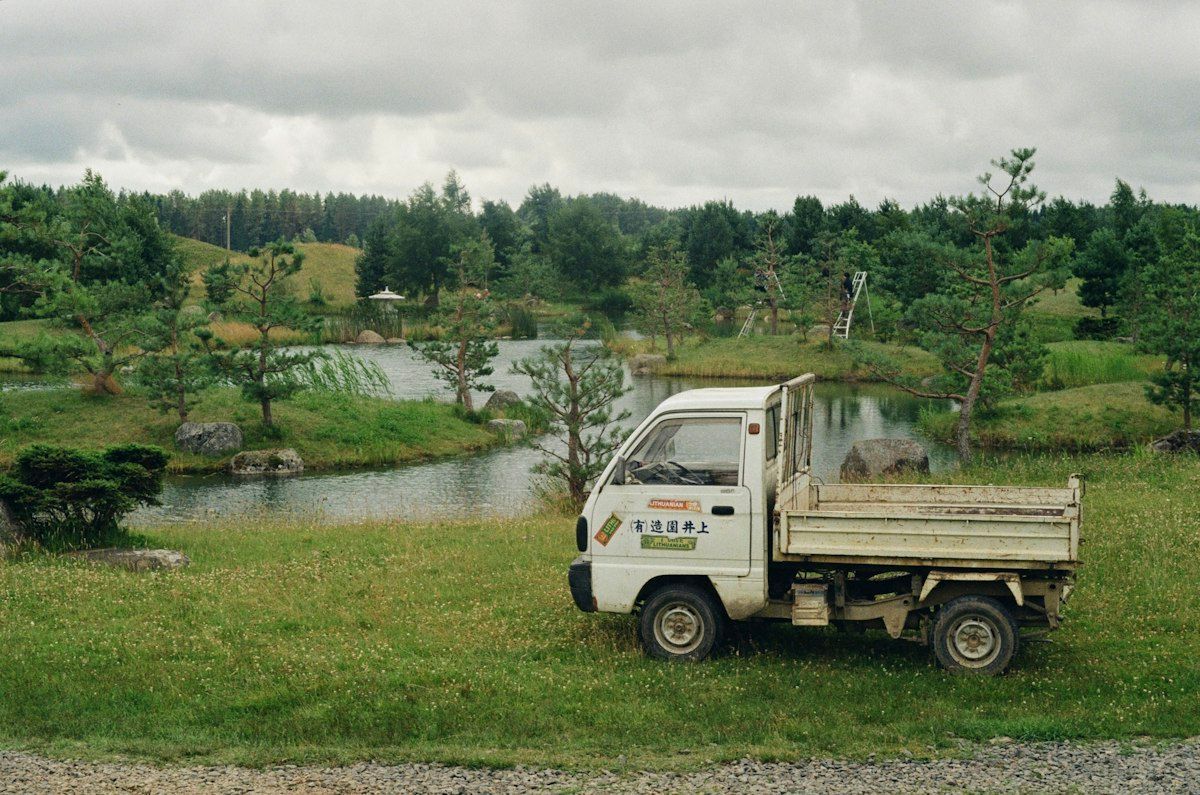
Landscapers, parks crews and groundskeepers use them where a full-size truck would tear up the lawn.
Shops and deliveries
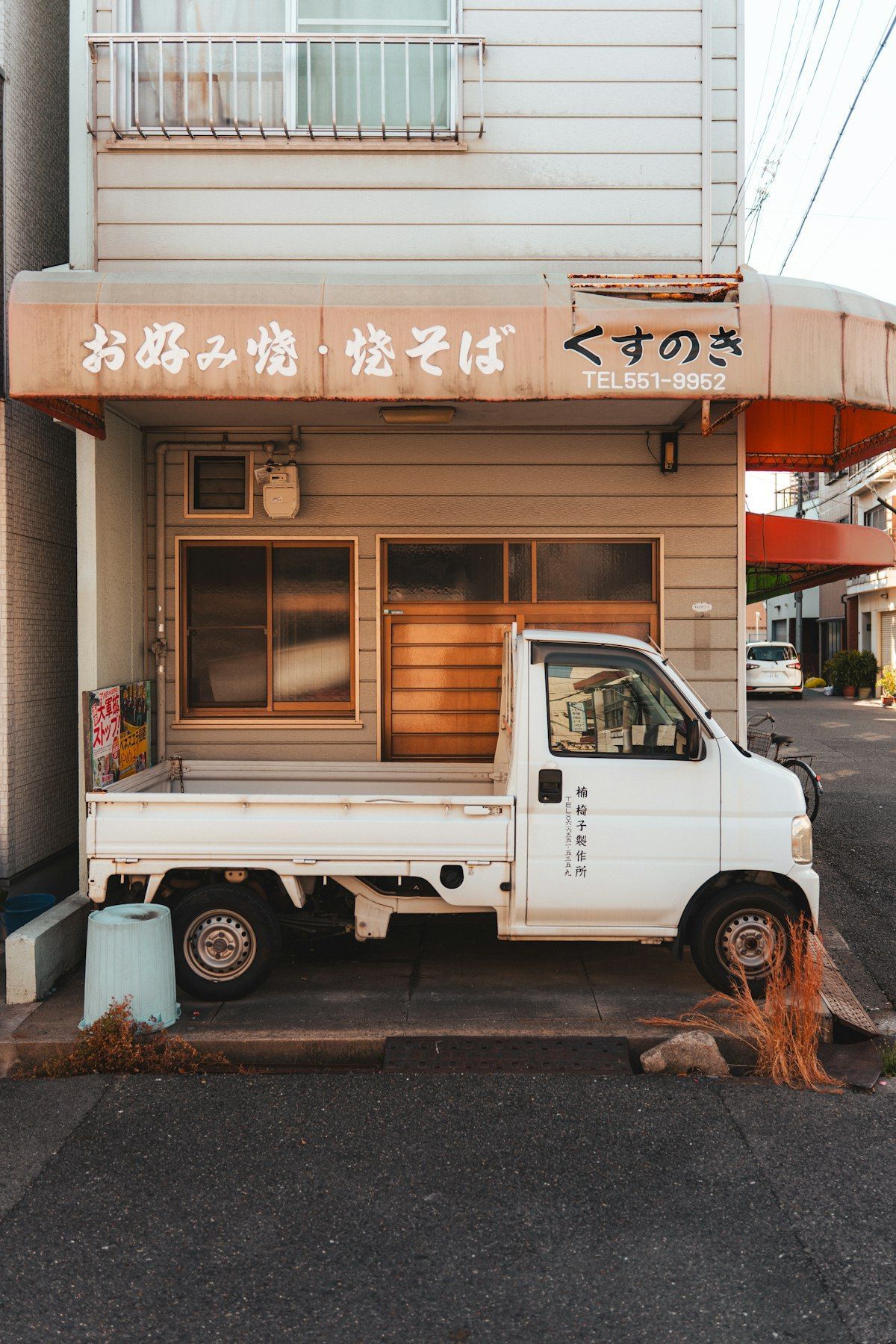
Small enough to park outside the shop it serves, and big enough to carry the day's stock.
Job sites
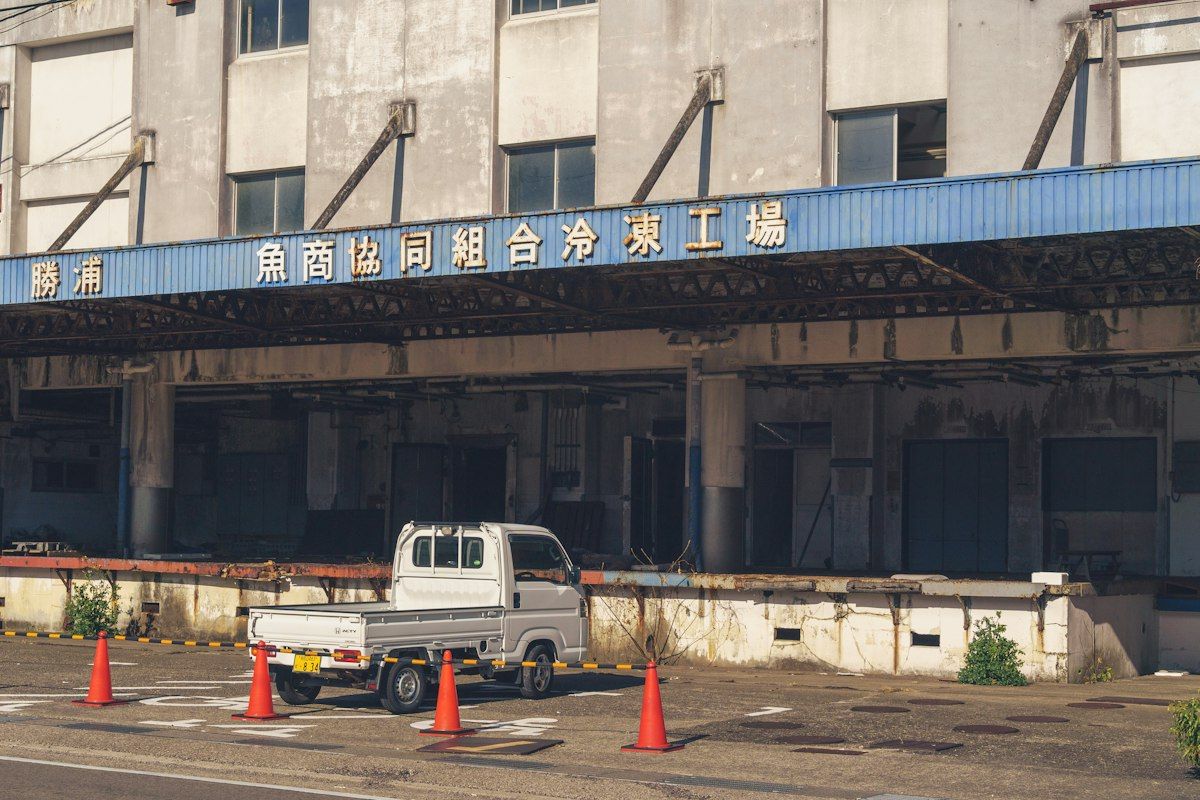
Tools, cones and materials, moved around sites where space is tight.
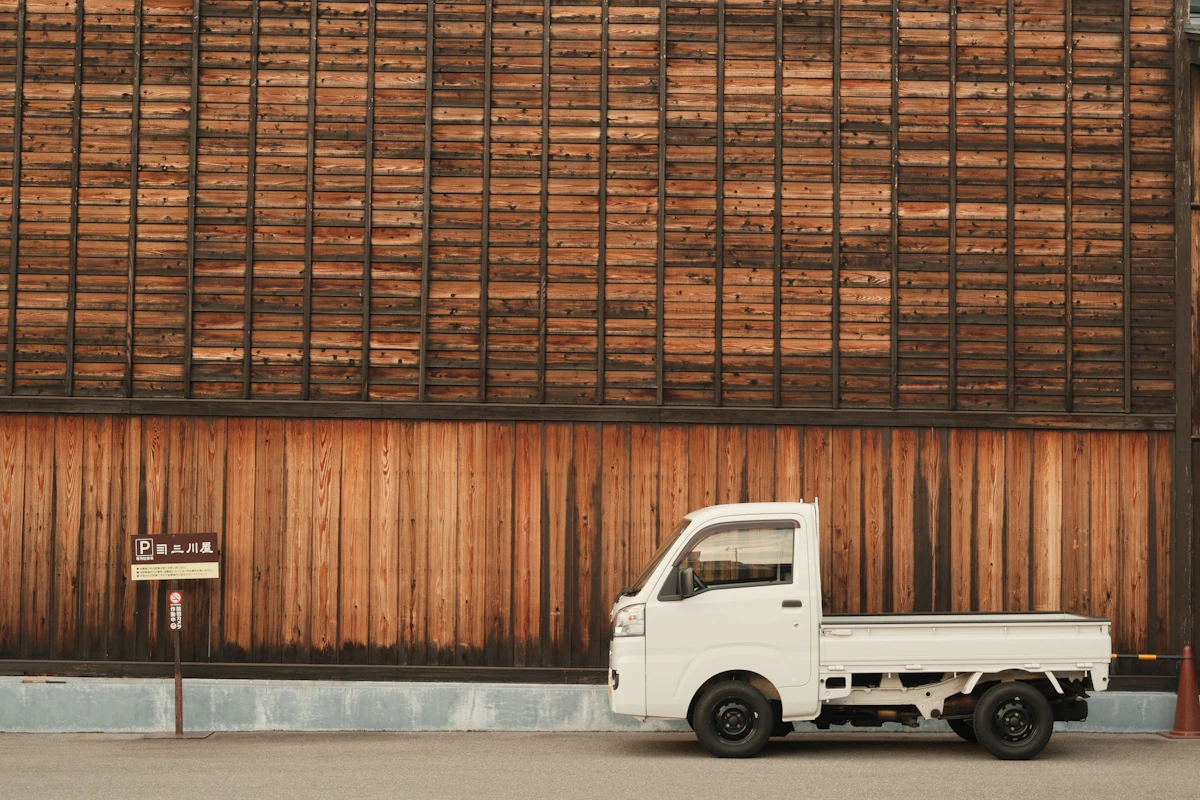
Narrow streets
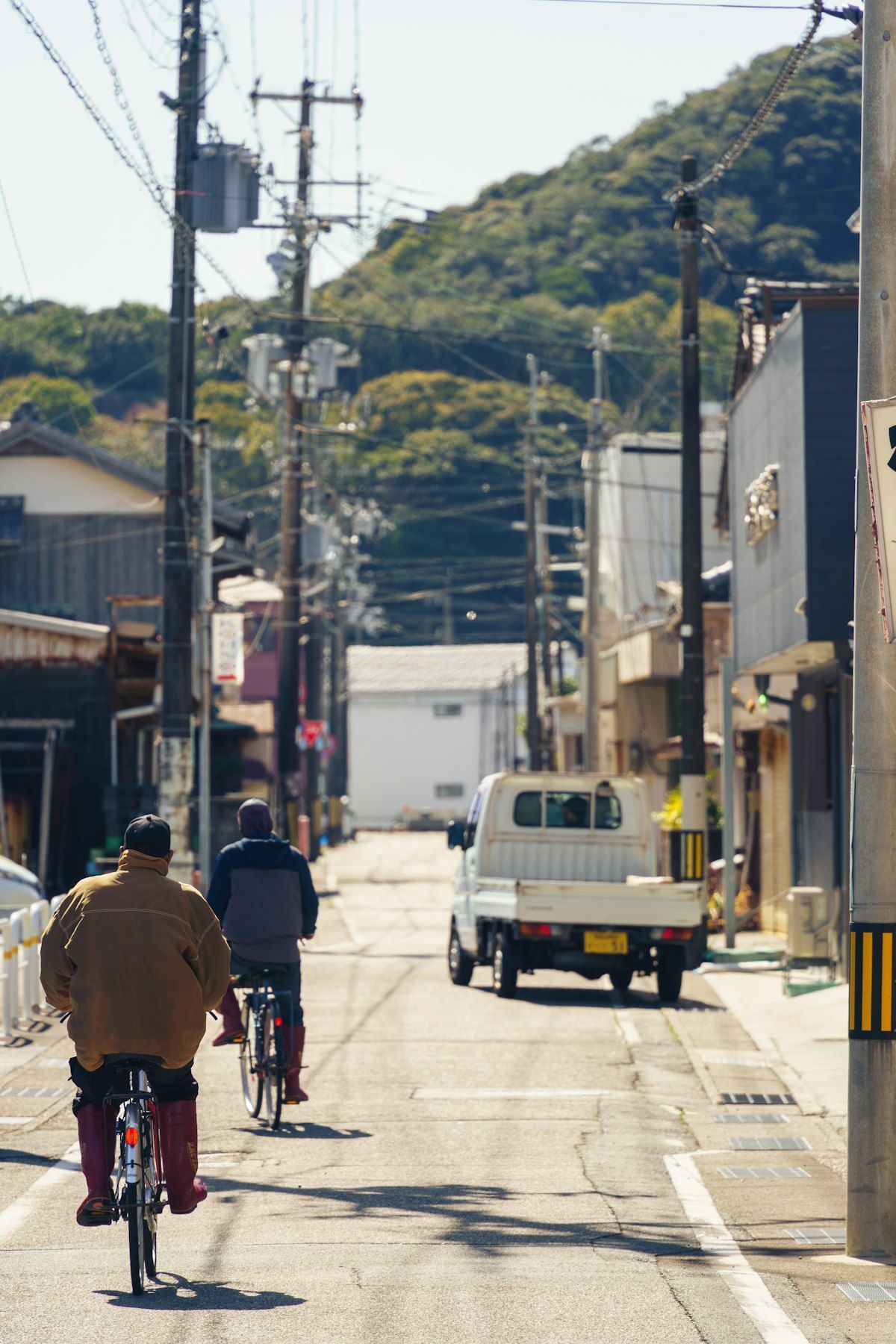
Built for lanes and alleys that a full-size pickup can't get down.
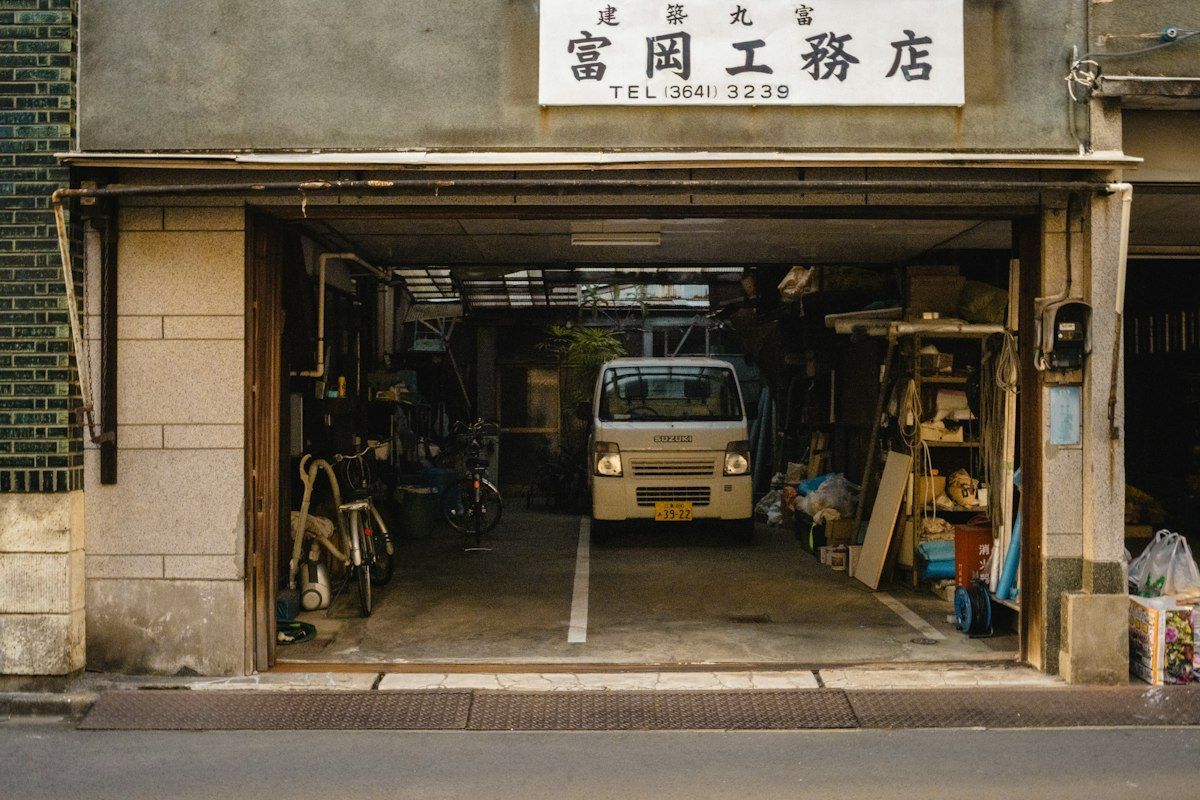
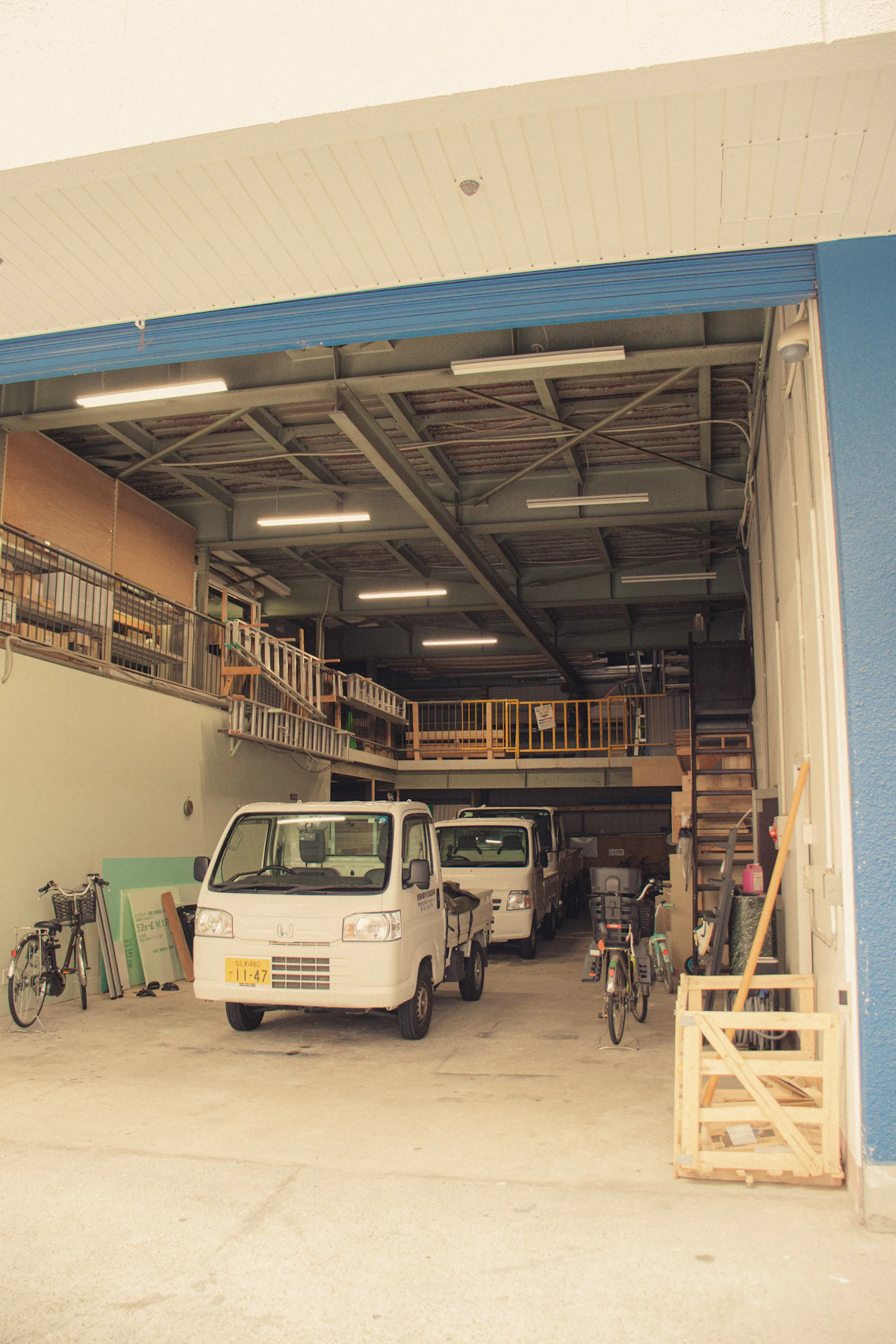
Workshops
Fits in a garage bay, and runs errands for the business behind it.
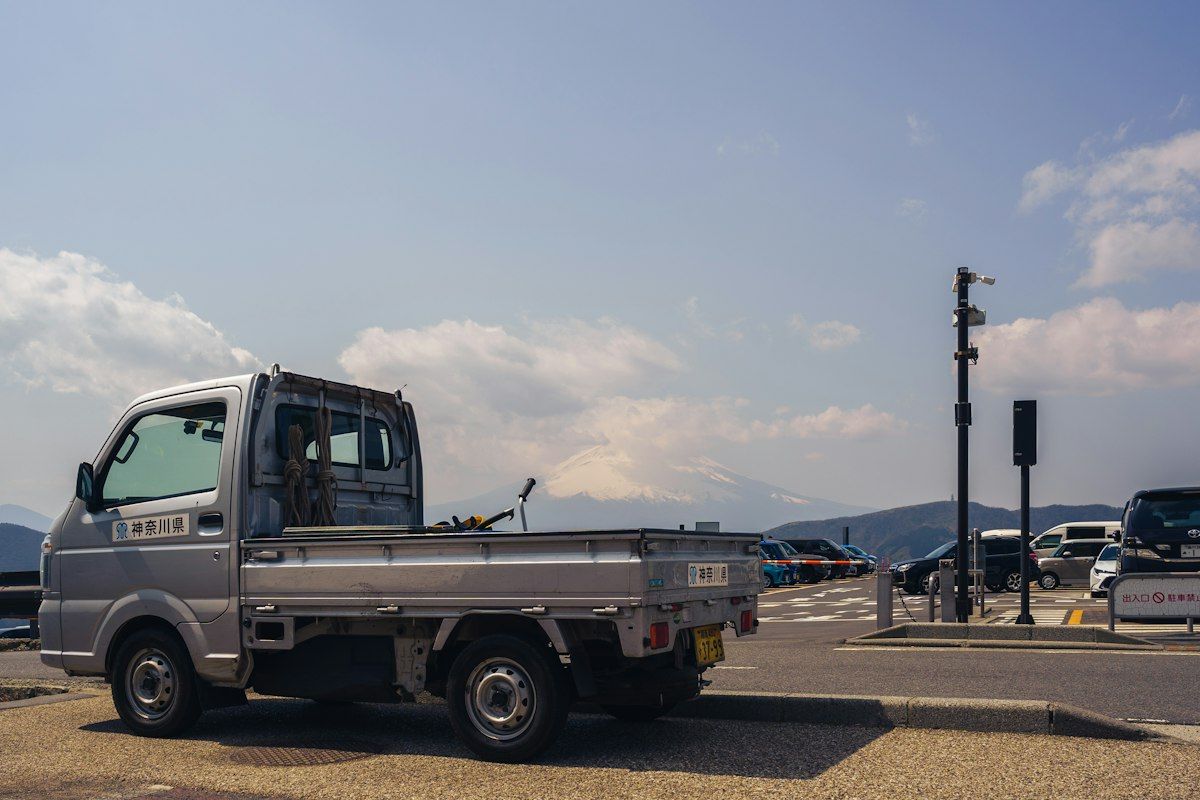
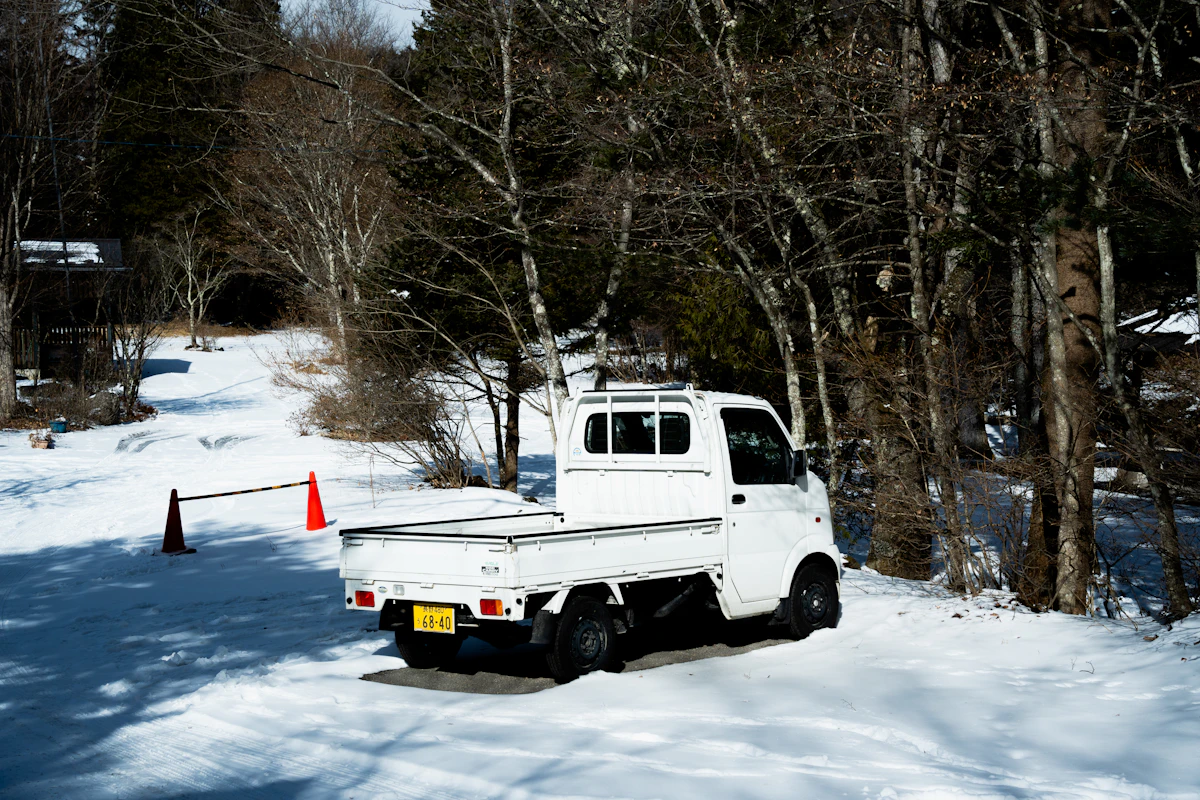
Open country
Farms, ranches and back roads, where four-wheel drive and a light footprint pay off.
03 / Body styles
Same truck. Different backs.
Type 01
Drop-side flatbed
The standard. Both sides and the tailgate fold down.
Type 02
Dump bed
Tips the load out the back. Made for soil, gravel and mulch.
Type 03
Scissor lift
Raises the whole bed straight up to dock or work height.
Type 04
Box and van
An enclosed cargo body on the same small chassis, sometimes refrigerated.
Type 05
Extended cab
A slightly longer cab with room behind the seats, trading a little bed length.
Type 06
Specialty
Small fire trucks, farm tankers and other single-job builds.
04 / Gallery
Spotted in the wild.
770 lb
Typical rated bed load · 350 kg
A note on loads
Kei trucks are commonly rated for about 350 kg (770 lb) in the bed. They're narrow and light, so keep heavy loads low and centered, and stay within the rated load.